Add: No.8 Xinxing Street, North Zone, Zhengding High-tech Industrial Development Zone, Hebei, China
CONTACT US
+8615030171059


CONTACT US
+8615030171059
When undertaking construction, woodworking, or DIY projects, selecting the right materials is crucial. 1 2 inch treated plywood is a versatile and widely used option, offering a balance of strength, affordability, and workability. This article provides a detailed overview of 1 2 inch treated plywood, covering its properties, applications, advantages, and considerations for purchase. Whether you're a seasoned professional or a weekend hobbyist, this guide will equip you with the knowledge to make an informed decision.
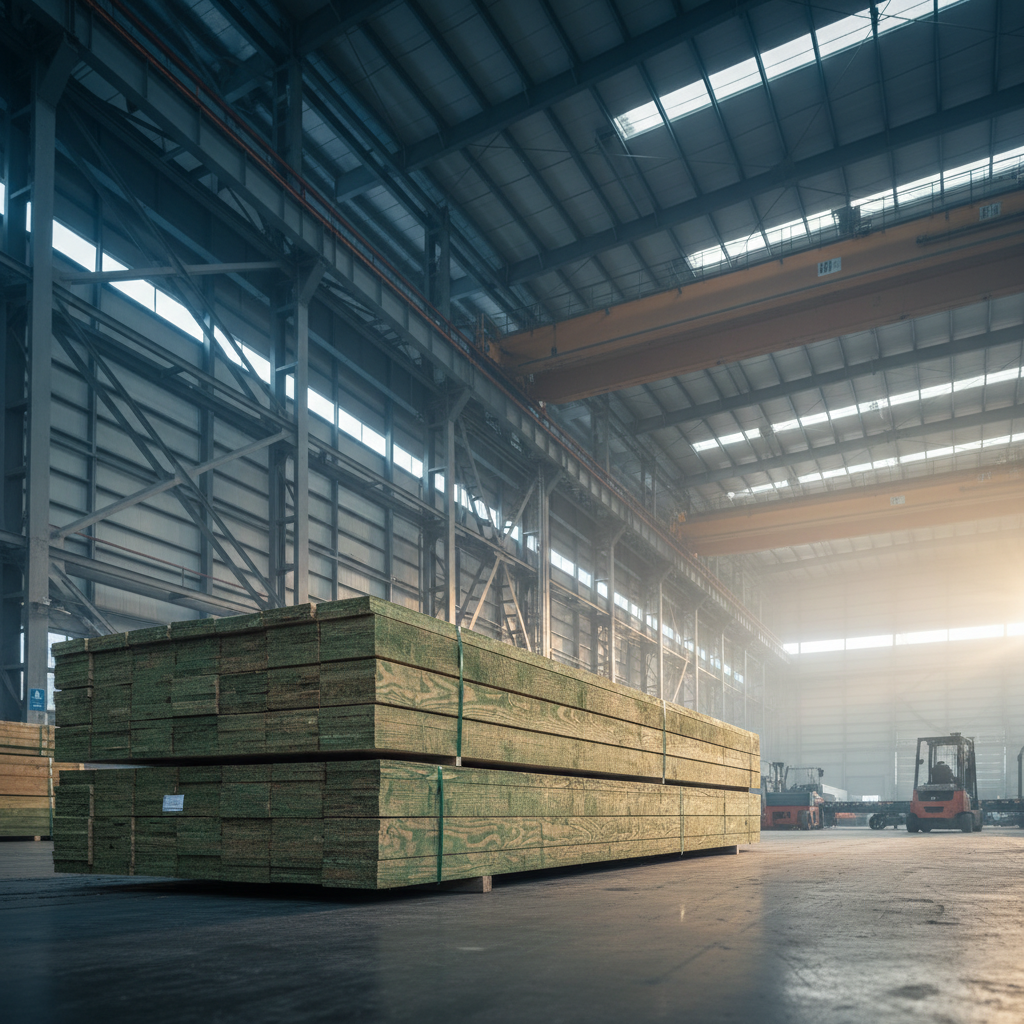
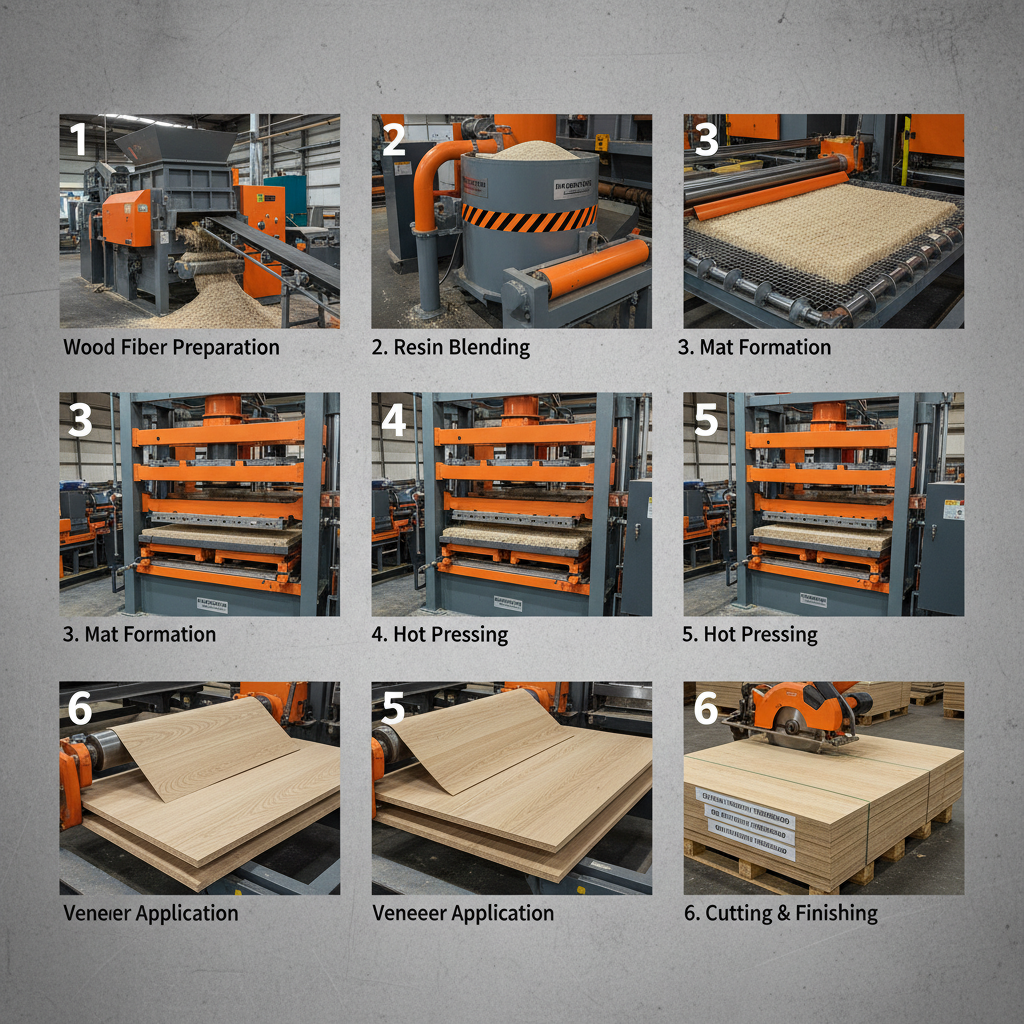
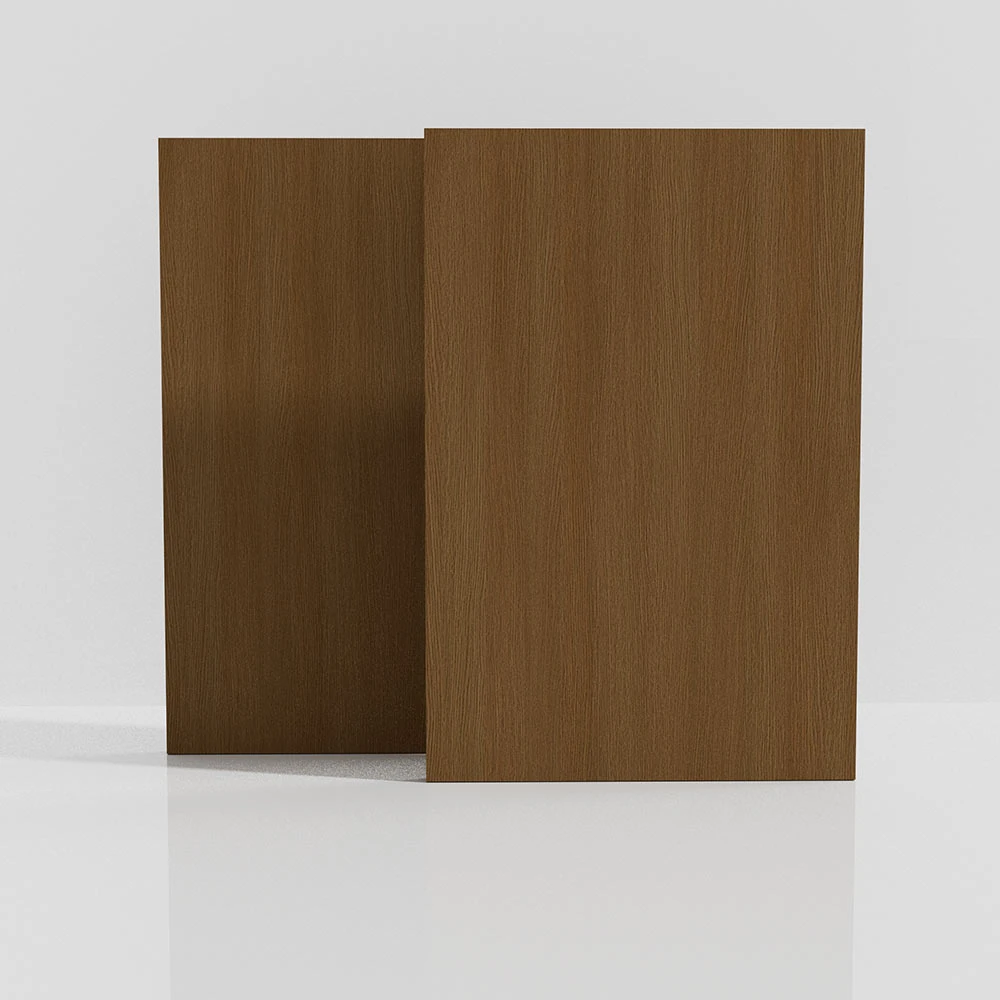
1 2 inch treated plywood refers to a plywood sheet with a thickness of 12 millimeters (approximately ½ inch). Plywood is an engineered wood product made by bonding thin layers of wood veneer together with adhesives. The “treated” aspect indicates that the plywood has undergone a preservative treatment to protect it from decay, insects, and fungal growth. This treatment typically involves pressure-impregnating the wood with chemicals, making it suitable for outdoor and moisture-prone applications. The core materials usually involve Poplar, Eucalyptus, or Pine depending on the intended use. You can find high-quality treated plywood options from reputable suppliers.
Key Highlights: Plywood consists of multiple veneer layers glued together for enhanced strength and stability. The treatment process makes it resistant to rot, decay, and insect damage, extending its lifespan in harsh environments.
The versatility of 1 2 inch treated plywood makes it ideal for a wide range of applications. It's frequently used in construction for sheathing walls, roofing, and subflooring. In outdoor projects, it's a popular choice for building sheds, fences, decks, and picnic tables. Inside, it can be used for furniture making, shelving, and cabinet construction. Due to its durability and water resistance, it is also commonly used for marine applications like boat building. Its ease of cutting and shaping also makes it a favorite among DIY enthusiasts.
Application Areas:
• Exterior siding and trim
• Roofing sheathing
• Subflooring
• Outdoor furniture
1 2 inch treated plywood comes in various grades, categorized by the quality of the veneer faces. Common grades include A, B, C, and D, with A being the highest quality (fewest defects) and D being the lowest. The treatment applied also varies. Common treatment types include:
Choosing 1 2 inch treated plywood offers several key benefits: Durability: The treatment process significantly extends the plywood's lifespan, making it resistant to rot, decay, and insect infestation. Cost-Effectiveness: Compared to naturally rot-resistant wood like cedar or redwood, treated plywood is a more affordable option. Workability: It's easy to cut, drill, and fasten, making it suitable for various construction and DIY projects. Stability: The layered construction provides dimensional stability, reducing warping and shrinking.
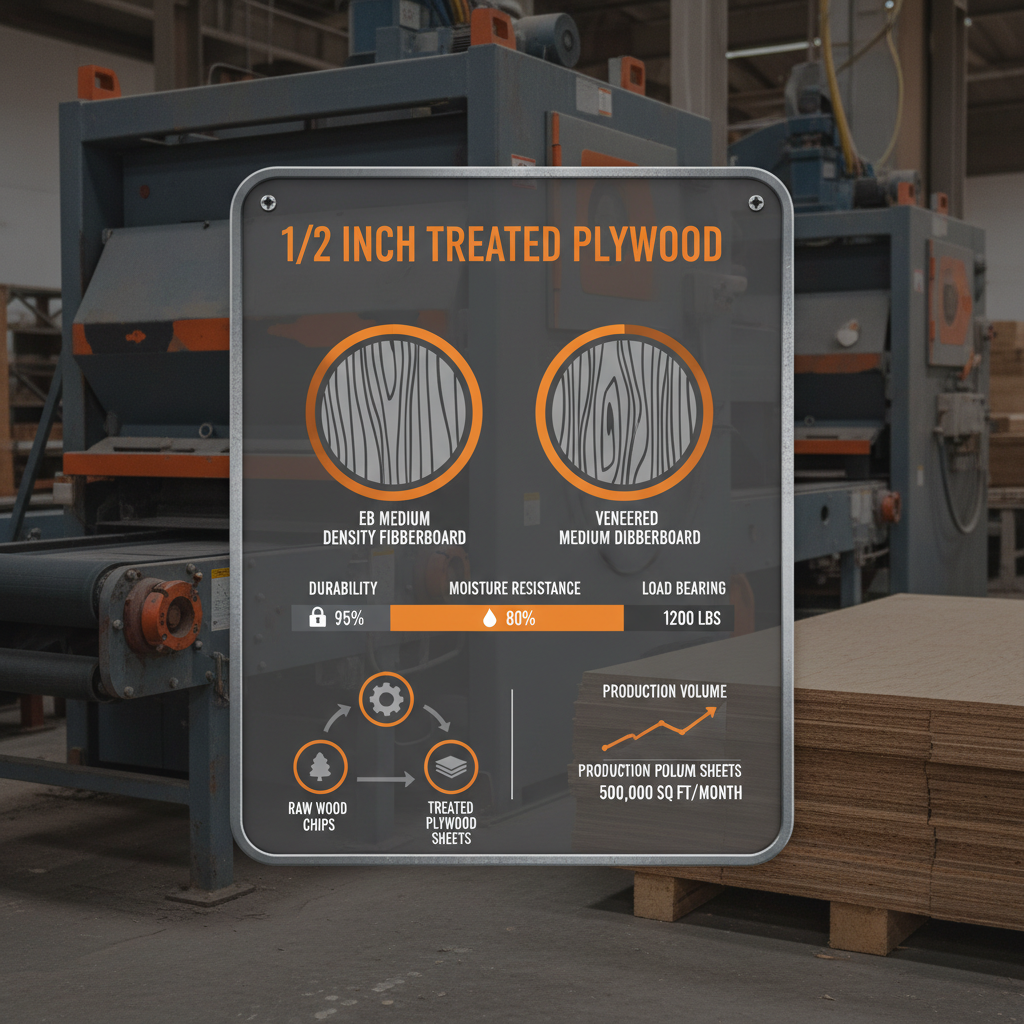
Before purchasing, consider the following factors: Grade: Select the appropriate grade based on the intended application and aesthetic requirements. Treatment Type: Choose a treatment that suits your needs and complies with local regulations. Moisture Content: Ensure the plywood is properly dried to prevent warping or cracking. Supplier Reputation: Source your plywood from a reputable supplier like Tengfei EBMDF to ensure quality and consistency.
1 2 inch treated plywood is a reliable and versatile material for a wide array of projects. By understanding its properties, grades, and treatment options, you can make an informed decision and ensure a successful outcome. Selecting high-quality treated plywood from a trusted supplier is essential for achieving lasting results.
When working with treated plywood, it’s essential to wear appropriate personal protective equipment (PPE), including gloves, dust masks, and eye protection. Treated lumber contains chemicals that can be irritating to the skin and respiratory system. Always work in a well-ventilated area and avoid inhaling sawdust. Dispose of scraps properly according to local regulations. Avoid burning treated wood, as this releases harmful chemicals into the air.
Yes, you can paint or stain treated plywood, but it’s crucial to use a primer designed for treated wood. The primer helps to seal the wood and prevent the chemicals from leaching into the finish. Use exterior-grade paints or stains for outdoor applications. Allow the plywood to dry thoroughly before applying any finish. Proper surface preparation will ensure a durable and long-lasting finish.
Pressure-treated plywood is impregnated with preservatives under high pressure, ensuring deep penetration of the chemicals. Kiln-dried treated plywood undergoes a drying process after treatment to reduce moisture content. Kiln-drying improves dimensional stability and reduces the risk of warping or cracking. While both offer protection against decay and insects, kiln-dried plywood is generally preferred for applications where dimensional accuracy is critical.
Store treated plywood in a dry, well-ventilated area, away from direct sunlight and moisture. Elevate the plywood off the ground using pallets or runners to allow for air circulation. Cover the plywood with a tarp or plastic sheeting to protect it from rain and debris. Proper storage will help maintain its quality and prevent warping or decay.
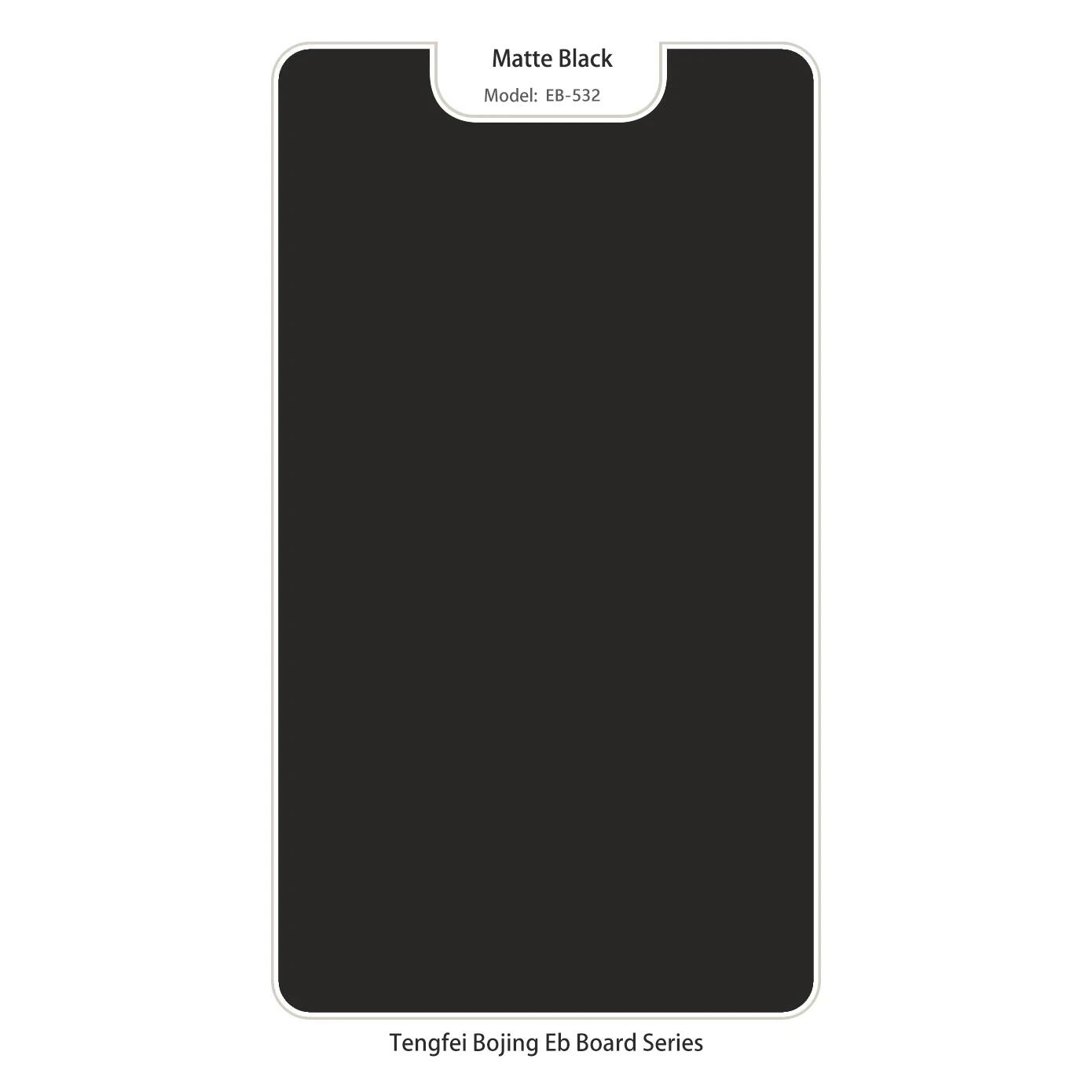
Tengfei Platinum EB Particle Panels - Matte Black
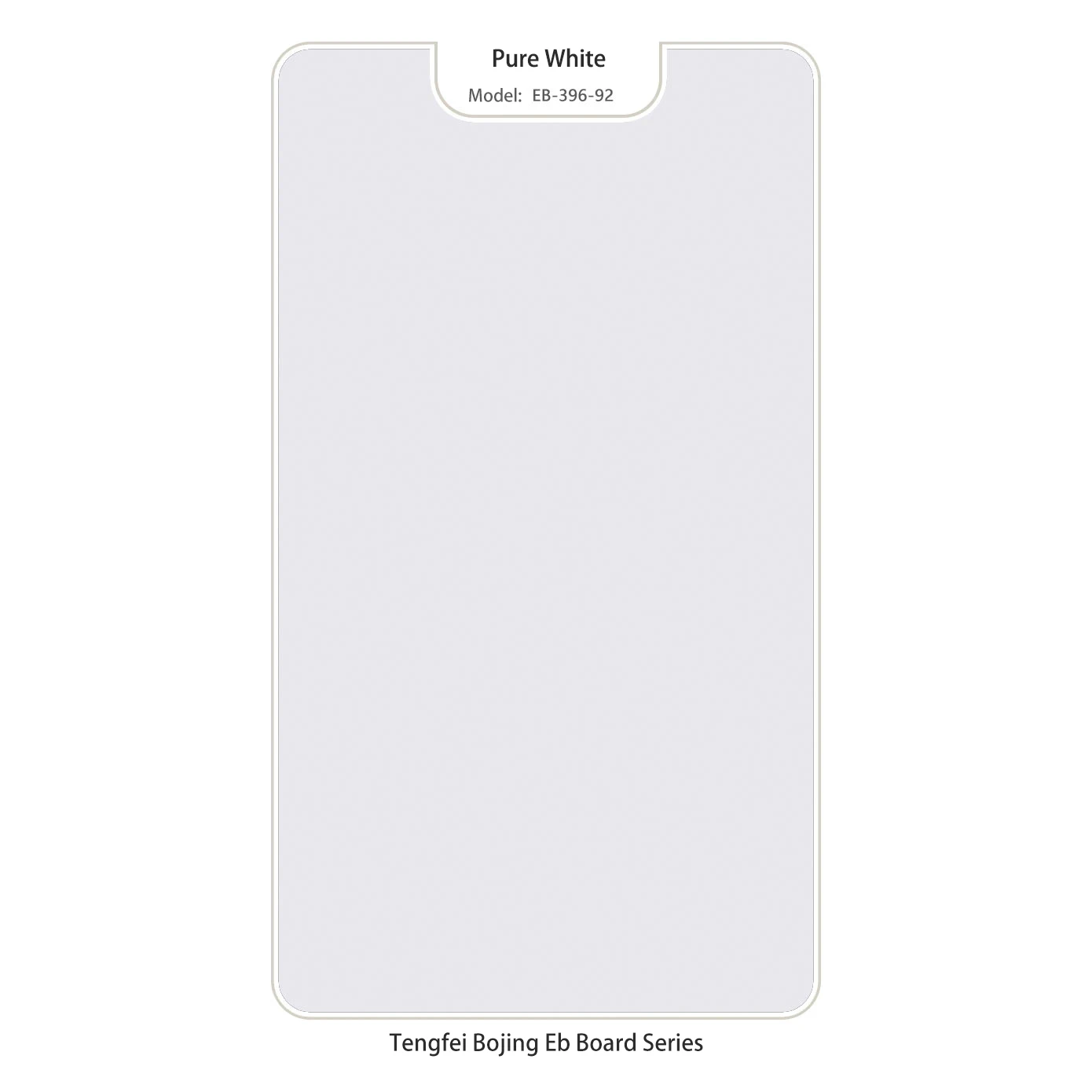
Tengfei Platinum EB Particle High-Gloss Panels - Pure white
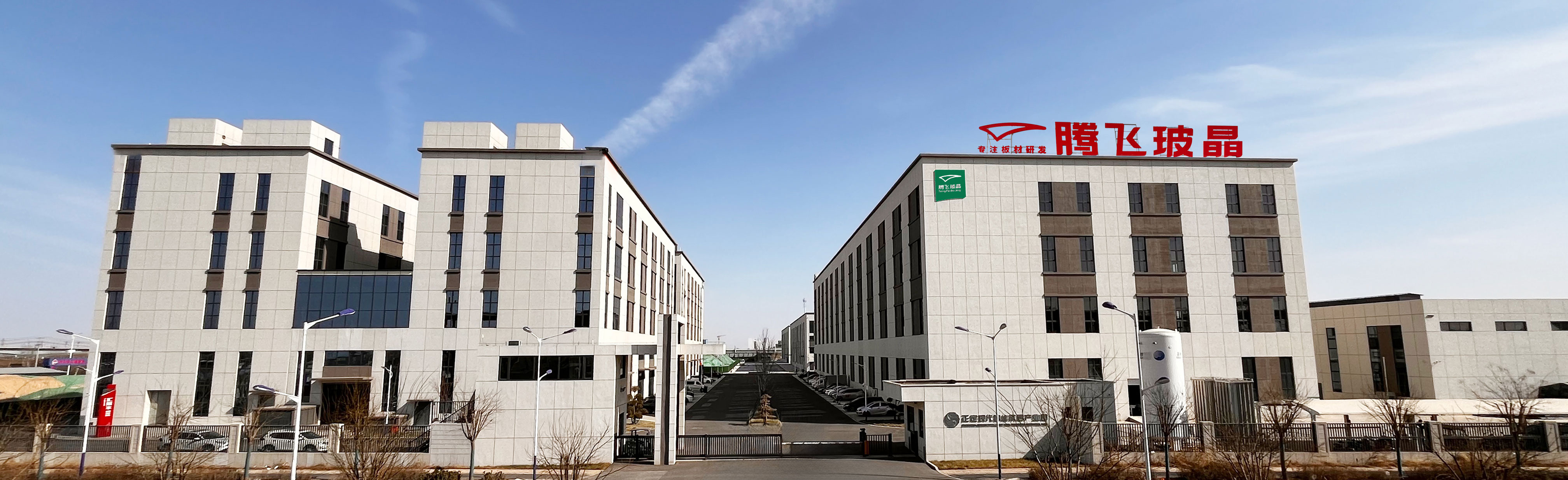
To provide reliable solutions through quality products!
![[PU705] – Advanced Sensor for Industrial Automation Solutions](https://images.exportstart.com/images/a1394/1-4531.webp "[PU705] – Advanced Sensor for Industrial Automation Solutions")