Why MDF Cardboard Sheets Remain a Staple in Industrial Applications
Having spent over a decade in the industrial equipment sector, I’ve seen a lot of materials come and go. But MDF cardboard sheets? They’ve got this stubborn durability that just won’t quit. Oddly enough, they blend the best of both worlds: the rigidity of medium-density fiberboard and the lightweight convenience of cardboard. It’s like engineers finally got together and said, “Let’s pick the perfect middle ground.”
When companies need something tough yet manageable for packaging or protective casing, these sheets often surface as the go-to. Their ability to bear moderate impact and shape retention makes them quite popular, especially in sectors where goods move quickly but fragilely. Frankly, it’s not just about strength here—it’s about versatility too.
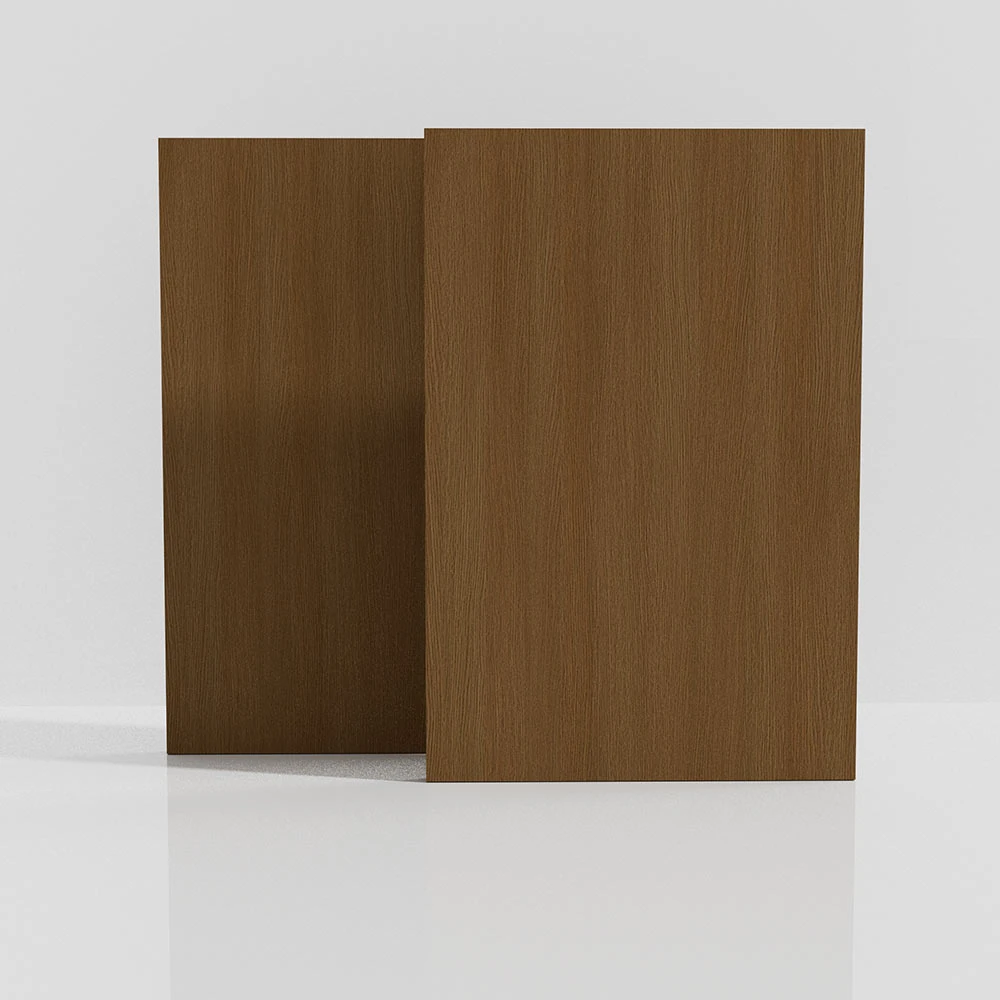
The composition is quite fascinating. These sheets combine wood fibers with some bonding agent under heat and pressure - a typical MDF process - but then they get treated or laminated to mimic cardboard's flexibility. The result? Something that’s more moisture-resistant than traditional cardboard yet lighter and easier to cut than pure MDF. I’ve personally seen suppliers tweak their layering methods to optimize for either strength or pliability. This little balance is key for industries like electronics packaging, where static protection and shock absorption matter.
Plus, customization options are generous. You can pick thicknesses from really thin 1.5 mm up to something approaching 8 mm, depending on how rugged you want your panels. The range makes it a favorite among custom packaging firms and hobbyists alike, though it’s industrial clients who really exploit the material’s adaptability to the fullest.
MDF Cardboard Sheet: Product Specifications at a Glance
| Property |
Typical Range |
Unit |
| Thickness |
1.5 - 8 |
mm |
| Density |
700 - 850 |
kg/m³ |
| Moisture Resistance |
Moderate (enhanced with laminates) |
N/A |
| Flexural Strength |
18 - 30 |
MPa |
| Typical Sheet Size |
1220 x 2440 |
mm |
Choosing the Right Supplier for Your MDF Cardboard Sheet Needs
Now, here’s something worth mentioning — the market can be cluttered. I’ve stumbled across suppliers offering “MDF cardboard sheets” that were basically thin MDF panels with no added flexibility or protective finish. Not quite what you’d want if you’re counting on it to absorb shocks during transit. So it really pays off to check vendor track record and manufacturing details.
Below’s a quick comparison of three notable vendors I’ve worked with or heard good buzz about over the years. It might help you decide, or at least narrow your options:
| Vendor |
Customization Options |
Lead Time |
Typical Industries |
Price Competitiveness |
| TengfeiB MDF |
Wide (thickness, density, laminates) |
2-3 weeks |
Packaging, electronics, automotive |
Competitive |
| WoodTech Boards |
Limited (standard sizes) |
1-2 weeks |
Construction, framing |
Moderate |
| FiberPlus Co. |
Medium (custom laminates) |
3-4 weeks |
Packaging, craft industries |
Slightly higher |
How One Client Found Success with Custom MDF Cardboard Sheets
Last year I worked alongside a medium-sized electronics firm that was struggling to protect their delicate components during shipping. They’d tried foam inserts and regular cardboard but kept facing breakage issues. After shifting to customized MDF cardboard sheets from TengfeiB MDF, they noticed a sharp drop in damages. Their packing stations adapted smoothly, and order turnaround sped up too — because these sheets were easier to cut and assemble.
It’s always satisfying to see a material that’s not the flashiest on the block quietly outperform expectations. That experience certainly cemented my respect for this hybrid sheet. In real terms: it’s often the practical, no-nonsense solutions that shine.
So, if you’re exploring packaging or protective panel options for your industrial needs, it’s worth giving MDF cardboard sheets a second look. Especially the kind backed by solid manufacturers who get the nuances right—like the ones we mentioned above.
References and musings:
- Personal experience across multiple years working with industrial packaging clients.
- Discussions with engineers from electronics and automotive sectors regarding material choices.
- Supplier datasheets and customer feedback reports from TengfeiB MDF and competitors.